How the Food You Eat Is Quietly Lighting It Up
 The short answer: chronic low-grade inflammation is not “heatiness,” and it won’t erupt after a few fried meals. It’s a sustained, low-intensity, body-wide state of immune activation—and your everyday dietary pattern is one of the most direct, actionable levers for controlling that switch.
But one key caveat first: there is no single “anti-inflammatory superfood” that turns inflammation off on its own. A registered dietitian at Mayo Clinic states it plainly—no specific food makes your diet an “anti-inflammatory diet.” What matters is the overall pattern you eat day after day. MD Anderson Cancer Center agrees: limiting pro-inflammatory foods and increasing anti-inflammatory foods must happen together to mean anything.
So which foods are “lighting fires,” and which are “putting them out”?
Pro-Inflammatory Foods: Not Poison, But Worth Limiting
Based on MD Anderson Cancer Center and the Heart & Stroke Foundation of Canada, the following categories have the most consistent pro-inflammatory evidence:
Ultra-processed foods and sugary drinks. This is the core of a pro-inflammatory pattern. One study found that people who ate more pro-inflammatory foods and fewer anti-inflammatory foods had a 28% higher risk of stroke and a 46% higher risk of heart disease. Sugary drinks, baked desserts, and fast-food fried items all belong here.
Refined carbohydrates. White bread, white rice, pastries—low in fiber, high glycemic, promoting weight gain and driving inflammation.
Processed meats and red meat. Bacon, sausage, deli meat are clearly linked to inflammation and elevated cancer risk. Evidence for red meat (beef, pork, lamb) is somewhat mixed, but most guidelines recommend limiting frequency.
Excess omega-6 from certain vegetable oils. Sunflower, safflower, corn, and soybean oils may promote inflammation when consumed in large amounts. Note: this doesn’t mean they’re toxic—it means the modern ratio of omega-6 to omega-3 is severely skewed.
Trans fats. Hydrogenated or partially hydrogenated oils, common in shelf-stable processed foods and crispy fried items.
Anti-Inflammatory Foods: Put the “Fire Extinguishers” on Your Plate
MD Anderson lists four categories of food components with clear anti-inflammatory effects:
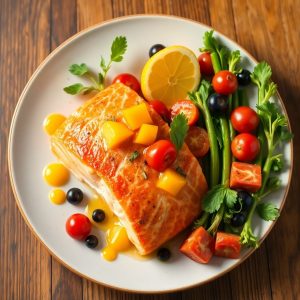
Omega-3 fatty acids. Flaxseed, walnuts, fatty fish like salmon. Use olive oil and canola oil instead of the pro-inflammatory vegetable oils above for cooking.
Vitamins C and E. Citrus fruits and green vegetables are rich in vitamin C; seeds, nuts, and leafy greens are rich in vitamin E.
Prebiotic foods. Feed beneficial gut bacteria: artichokes, onions, whole grains, asparagus, garlic, sweet potatoes, legumes.
Probiotic foods. Fermented foods: yogurt, kefir, kimchi, sauerkraut, miso, tempeh, kombucha. Choose plain yogurt and add your own fruit.
The Heart & Stroke Foundation of Canada also highlights high-polyphenol olive oil, berries, dark leafy greens, and cruciferous vegetables. Mayo Clinic’s advice is even simpler: eat the rainbow—a mix of fruits and vegetables of all colors, whole grains, and legumes.
Why This Switch Matters More for Women
If you’re tracking cycle symptoms, premenstrual discomfort, or perimenopausal body changes, the pro-inflammatory versus anti-inflammatory nature of your diet is not an abstract concept.
A 2026 study of 2,036 women aged 35–45 found that each one-unit increase in the Dietary Inflammatory Index (DII) was associated with a 29% higher odds of infertility, and the association held after adjusting for BMI, age, smoking, and other factors. Another systematic review noted that dietary patterns represented by the Mediterranean diet—high in antioxidants, omega-3, and polyphenols—may reduce the severity of menstrual pain and premenstrual symptoms by modulating inflammatory and immunometabolic pathways. The same review noted that women who adhered to the Mediterranean diet had significantly lower odds of endometriosis.
The perimenopausal logic is more direct: estrogen itself has anti-inflammatory effects, and when estrogen levels fluctuate and eventually decline, the body goes through a window of gradually rising low-grade inflammation. Some analyses describe perimenopause as an “inflammatory event.” In this phase, the higher the pro-inflammatory load of your diet, the more extra burden your body has to manage.
A Practical Framework That Doesn’t Require Perfection
There’s no need to sort foods into “good” and “bad” and then spiral into anxiety. A more workable approach is substitution, not deprivation:
-
Swap your cooking oil: Use olive oil or canola oil for everyday cooking instead of corn or sunflower oil.
-
Shift your protein: Replace a few red meat/processed meat meals each week with fish, beans, or tofu.
-
Swap your snacks: Replace cookies and pastries with a handful of walnuts or almonds, or plain yogurt with berries.
-
Blend your grains: Mix half brown rice or quinoa into white rice; swap white bread for whole wheat.
-
Replace your drinks: Swap sugary drinks for water, green tea, or sparkling water.
Each change looks small on its own, but only when you simultaneously increase anti-inflammatory foods and reduce pro-inflammatory foods does the overall inflammatory potential of your diet actually drop. Mayo Clinic also flags a point that’s easy to overlook: body weight itself is a driver of inflammation, so losing weight (if you’re overweight) is itself an anti-inflammatory act.
You don’t need to find a single “superfood” to turn off inflammation. What you need is for the overall composition of each meal to slowly shift from “fire-lighting mode” toward “fire-extinguishing mode.” This doesn’t need to happen overnight, and it doesn’t need to be perfect. Starting with your next meal—swap one oil, add a handful of beans, skip one sugary drink—and you’re already flipping that switch.